Afternoon thunderstorms roll in fast on the Gulf Coast. A spotless vehicle at noon can be peppered with mineral spots by dinnertime, especially around Lakewood Ranch, Bradenton, and the Sarasota bayfront where reclaimed irrigation and salty air meet hot panels. When someone asks about ceramic coating, what they really want to know is how well it keeps water, grime, and road film from hanging around. Hydrophobic performance is the headline feature people notice right away, but the way it’s built, measured, and maintained gets far less attention than it should.
This is a deep dive into what makes a coating actually repel water, how to judge it beyond pretty beading photos, and where it fits alongside paint protection film, paint correction, and a smart maintenance routine. The details matter when you’re dealing with Florida sun, lovebug season, and highway miles between Palmetto and North Port.
What hydrophobic actually means on paint
Hydrophobicity is the tendency of a surface to minimize its interaction with water. On vehicle paint, it shows up in three linked behaviors: the angle a water bead forms, how easily that bead slides off, and how consistently the surface sheds water across curves, badges, and textured plastics.
The contact angle, often quoted as a single number, is the angle between the surface and the edge of a water droplet. Higher angles translate to tighter, rounder beads. Many ceramic coatings settle in the 100 to 115 degree range, while advanced formulas can push upward of 120. That number, on its own, does not tell the full story. Two coatings can make similar looking beads yet behave differently during a rinse because of contact angle hysteresis, the gap between a bead’s advancing and receding angles as it moves. Low hysteresis means lower drag, so beads roll off with less push from gravity or water flow.
Sliding angle ties it together. This is the tilt at which a droplet starts to move. A sliding angle under 20 degrees feels slick in the real world. The lower that angle, the better the coating sheds film during a simple rinse. Detailers talk about “beading versus sheeting” as a style choice, but in practice you want a finish that does both at the right time: bead when the car is sitting still so dirt cannot stay dissolved on the surface, then sheet during a rinse to carry dust away and reduce towel work.
The chemistry behind the gloss
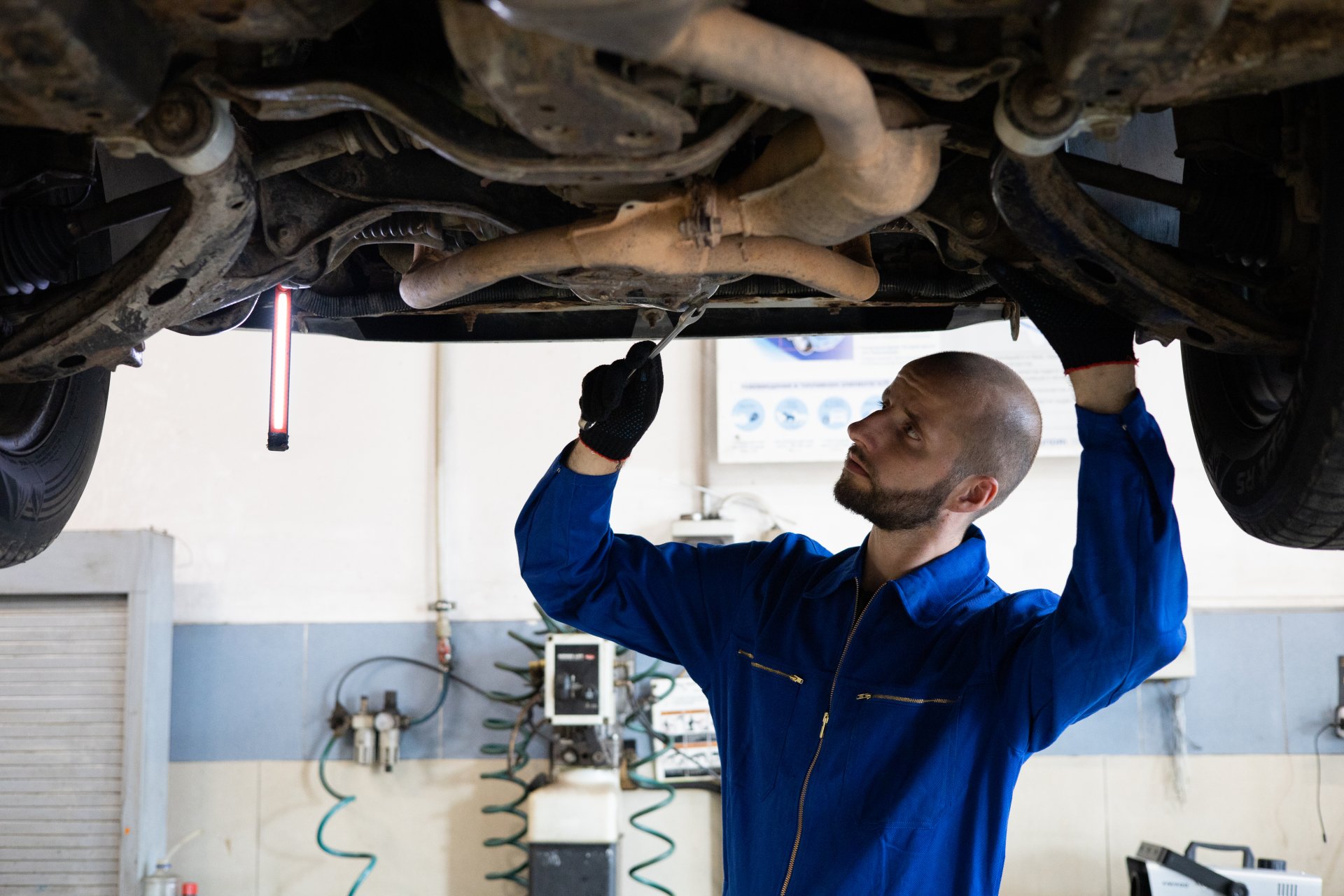
Most modern ceramic coatings are based on organosilicon chemistry. Think of them as a liquid network of reactive silanes and siloxanes that crosslink into a dense, glasslike film anchored to the clear coat. When a product mentions SiO2 or polysilazane, it is flagging the backbone of that network. The hydrophobic top layer is usually a shorter chain fluorinated or alkyl component that migrates to the surface during cure. That surface layer carries the water repellency, while the crosslinked network underneath provides chemical and abrasion resistance.
Some formulas blend in silicon carbide precursors that form SiC domains as they cure. These can improve chemical resistance at high temperatures, which is relevant when you park in direct sun at a North Sarasota jobsite or take a long I‑75 run with road film baking onto the bumper. Cure times vary with humidity and temperature, but in our area a ceramic coating typically gels in minutes, levels within the first hour, and hardens through the next 12 to 24 hours. Full crosslinking continues for days. Rushing that window by washing or letting sprinkler water sit creates the very etching and spotting people installed the coating to avoid.
Thickness is slender. Most pro coatings deposit 0.5 to 2 microns per layer. A human hair is about 70 microns. That should frame expectations, especially when you compare ceramics paint protection film to paint protection film. Ceramic is a performance skin, not armor. Pairing a durable coating with ppf on the high‑impact areas changes maintenance more than it changes appearance. You still get the pop and slickness of a ceramic layer, but you gain sacrificial bulk where rock strikes and sand spray live.
Beading looks great. Sheeting keeps panels clean.
The Instagram shot of tight pearls on a hood sells dreams. The real test is how the car looks the next morning. Beads can trap dust between them if the surface does not release water quickly. Sheeting, which looks like a clean flow running off panels during a rinse, reduces drying time and mineral residue on horizontal surfaces. The balance is tuned by the surface energy of the top layer and how smooth the substrate is after paint correction.
After a proper polish, microscopic peaks and valleys shrink, so water cannot spread into tiny channels. This reduces drag and improves both beading and sheeting. Skip or rush correction and you can top an uneven surface with the nicest coating on the market, then wonder why the roof still holds a wet film after a rinse. Hydrophobic performance starts with the state of the paint, not just the chemistry in the bottle.
Florida context: Lakewood Ranch weather stresses coatings differently
Our water is hard. Municipal and reclaimed irrigation water in the Lakewood Ranch and Bradenton corridor carries calcium and other minerals that etch at surprisingly low temperatures. Combine that with hot panels and you have a recipe for water spotting even on a fresh ceramic. UV is relentless, especially for those who work outdoors around Venice or leave a vehicle at a Palmetto marina for the weekend. Lovebugs bring an acidic mess twice a year. Pollen blankets everything in spring. A coating that looks stellar in a dry climate needs support here to maintain its hydrophobic edge.
What matters in this climate is not just initial contact angle but the coating’s resistance to surfactants, road film, and bug residue that fog the surface and lower surface tension over time. Coatings with a robust top layer recover their slickness after a simple decon wash because that layer resists binding to oily soils. Products that start out bright then dull quickly, even if the layer beneath remains intact, drive people to overuse toppers and degreasers, which can create new problems. A measured routine keeps the hydrophobics alive without chewing up the base layer.
The role of paint correction before ceramic
People ask whether they can ceramic coat a car without correcting the paint. The short answer is yes, but it will lock in whatever texture and defects you see. The longer answer adds two performance angles. First, hydrophobic behavior improves on a refined surface because there is less mechanical drag. Second, residue from polishing oils or old waxes can foul the bond and compromise cure, leading to dull patches or poor sheeting right out of the gate.
A disciplined correction for auto detailing in Lakewood Ranch typically includes iron and tar removal, a clay pass, a measured cut and polish based on paint hardness, and a residue‑free panel wipe. Soft clear coats like some domestic SUVs respond quickly to a medium foam pad and a finishing polish. Hard Germans need more bite and more time to finish haze free. Matte or satin finishes require a different approach altogether, often skipping mechanical polishing and using film or a matte‑safe coating to preserve the texture. Where a vehicle carries ppf on the front clip, you correct the painted panels to the desired clarity, then adapt the coating to match the film’s behavior so you do not create a different water pattern across the hood line.
How Clear Vision Mobile Detailing and Ceramic Coatings verifies hydrophobic behavior
Out in the field you do not always have lab equipment, but you can still measure. Clear Vision Mobile Detailing and Ceramic Coatings keeps a simple set of checks that correlates with real‑world performance. After the coating flashes and levels, a controlled distilled water bead test on cool paint tells the truth about uniformity. If beads look perfect on the hood but patchy near the mirror bases, there is residue or uneven leveling in that area. An early read prevents a week of frustration.
Two days later, after the initial cure, a gentle rinse on the driveway with moderate hose pressure shows how water sheets off horizontal and vertical panels. We watch for channels where the flow breaks or hesitates. Those are often tied to leftover polishing oils in trim gaps, towel lint at the edges of badges, or a missed high spot. If a car is headed to auto detailing Sarasota beaches for the weekend, we want to see water move cleanly at city water pressure because that is all the owner will have at a rental house or marina spigot. In hotter months, we add a controlled hard‑water spot test on a small protected area, then remove it immediately, to confirm the coating’s resilience to local minerals.
As a mobile detailing operation, we also note microclimate. A driveway shaded by oaks in North Sarasota behaves differently than a paver driveway in Lakewood Ranch facing south. Shade changes cure rate and dust load. Wind brings pollen and oak tassels. The testing routine adapts, but the standard stays the same, because the gloss is meaningless if water refuses to leave the panel.
Beads, sheets, and the daily wash routine
Hydrophobic performance has a maintenance tail. Strong shampoo once a week strips protective top layers and leaves the base coating less vibrant. Neglect has a similar effect, as film builds and reduces surface tension. The sweet spot is gentle, regular cleaning and periodic decontamination to remove what soap cannot. Around Bradenton and Venice, a simple foam pre‑soak and low‑pressure rinse move most dust, followed by a contact wash with a plush mitt and a pH‑balanced soap. A clean rinse and forced air or a soft drying towel finish the job. Aggressive drying aids are not necessary every wash, and overuse can mask a weakening base layer that needs attention.
Here is a short, practical way to judge hydrophobic health at home without instruments:
- On a cool panel, spray distilled water and look for even, tight beads that do not cling together. Rinse with a gentle stream and watch for broad sheets that clear the panel without breaks. If the roof sheets and the hood beads stubbornly, the hood likely carries more film and needs decon. If beads flatten within minutes, contamination is present or the topper is spent. If water refuses to move on vertical panels, the coating is clogged or was never uniform.
Ceramic coating on paint protection film
PPF is a different animal than clear coat. It is thicker, elastic, and often self‑healing. The top coat on quality films is already hydrophobic to some degree, but not always to the level people expect from a dedicated ceramic. Coating over ppf adds slickness and makes bug removal easier on the bumper and mirror caps. It does not turn film into glass. High heat, like a highway run across the Sunshine Skyway in August, still warms the film’s top coat and can soften deposited residue that bonds more than it would on paint. The trick is compatibility. You want a ceramic that adheres without inhibiting the film’s self‑healing properties. Some aggressive solvents can swell older films or cloud edges.
When a vehicle in auto detailing Lakewood Ranch carries film across the front clip and painted doors, we match gloss and hydrophobics across the break. A slight difference in water behavior inside a seam is normal. The goal is consistent maintenance. Film tolerates a little more mechanical cleaning than paint, but both benefit from the same gentle approach that preserves surface energy.
Where toppers fit, and when to let the base layer breathe
SiO2 sprays and toppers have their place. They refresh slickness, add short‑term repellency, and make maintenance easier in lovebug season. Overuse becomes a crutch. If you gloss over every wash, you can miss when the base coating needs a decon or a mild cleanser to lift oils and restore the original contact angle. Sprayed on top of contamination, a topper creates a temporary skin that makes rinse water bead for a week, then fails at once, leaving you to believe the coating quit. A measured approach avoids that cycle. After a decon wash, a topper like a light ceramic spray can help ward off mineral deposits during a summer rainy spell when you cannot wash for a few days. Save heavier sealants for a quarterly or semiannual refresh.
Maintenance philosophy at Clear Vision Mobile Detailing and Ceramic Coatings
Clear Vision Mobile Detailing and Ceramic Coatings treats hydrophobic performance as a system, not a single product attribute. The base coating provides the durable network. The maintenance soap, which should be free of gloss enhancers and strong solvents, keeps that surface unclogged. A mild water spot remover or a finishing cleanser, used sparingly, recovers a tired surface without polishing away the layer. When we service an auto detailing Bradenton commuter car that lives under sprinklers, we adjust frequency rather than chemistry: more rinses with distilled water on travel days, less reliance on spray toppers, and a scheduled decon after lovebug season.
A similar shift happens for boats on trailers and trucks that tow. Salt mist and road grime bind differently. The goal is not perpetual beading for social media, it is fast, low‑effort cleaning and fewer chances for stains to take hold.
Application environment, especially in a mobile setting
Temperature and humidity govern flash time and leveling. On a 92 degree August afternoon in Lakewood Ranch, a panel can flash in seconds, forcing rushed wipes and increasing the risk of high spots. In that scenario you stage the work. Panels cool under shade. Work in smaller sections, and switch to a slightly slower carrier if the product line allows. Infrared cure can help in the winter months around North Port and Venice when humidity drops and overnight temps fall into the 50s. Even a simple, controlled garage space, doors cracked for airflow, beats an open driveway when wind is up and pollen is heavy.
Mobile detailing adds a logistics layer. Power, lighting, and dust control matter. A well set up van with filtered lighting and clean microfiber storage prevents the kind of contamination that lowers hydrophobic performance before the owner even sees the car. You feel the difference during that first rinse when the coating sheets evenly across the glass and paint with no drag points.
Edge cases: repaints, trim, and textured surfaces
Repainted panels can behave unpredictably. Solvent‑rich coatings may soften fresh clear if the body shop rushed bake cycles. A safe window after a repaint is often 30 to 90 days depending on the system. During that period, a temporary sealant gives some hydrophobics without sealing in solvents. On textured plastics, not every ceramic is suitable. Some stain or darken plastic unevenly. Dedicated trim coatings bond differently, give a similar water‑shedding behavior, and last longer on those substrates. Fabric tops can be made hydrophobic too, but they need breathable fluoropolymer treatments, not rigid ceramic films. Each surface asks its own question. The right answer protects performance and aesthetics.
Practical metrics beyond contact angle
If you want to evaluate a coating without a lab, track three things after a proper prep and cure. Rinse recovery is how quickly hydrophobics bounce back after a dirty week. Drying effort is how many towel passes it takes to clear the hood without spotting in warm sun. Film resistance is how light the contact wash feels on a dusty day. In auto detailing North Sarasota, where sand can ride the breeze from construction sites, that last metric separates slick marketing from helpful chemistry. The coatings that hold up let you move a mitt across a panel with less pressure and fewer snags, which preserves the correction you invested in.
Case observations from the Gulf Coast
A white SUV that lives near a golf course in Lakewood Ranch deals with two constants: reclaimed water sprinklers and cart path dust. With a two‑layer ceramic and measured upkeep, hydrophobics stayed strong for 18 months before a noticeable decline. The tipping point came after a string of dry, windy weeks that left a fine mineral haze. A decon wash and a light cleanser wiped it back to life. The owner had been using a strong wash every week, which we dialed back to a gentler product. Contact angle remained high. Sliding angle, which had crept up so beads hesitated on the hood, dropped again, and the car started to self‑rinse in afternoon showers.
A dark blue coupe in downtown Sarasota faced a different challenge. Heat soak from street parking made water spotting more aggressive. A ceramic on its own held up, but repeat etching on the trunk pushed us to apply ppf on the decklid and bumper top, then coat both film and paint. Hydrophobics matched after a short break‑in, and the owner noticed easier removal of sunscreen fingerprints and bird fallout, which were his main headaches. That combo, rather than a thicker ceramic alone, solved the issue without changing the look.
When a coating underperforms and what to do about it
Not every poor hydrophobic result is a bad product. Common causes are a rushed panel wipe, high spots that trapped solvents, or topping too soon with something that blocked crosslinking. If beading dies within a week, try a reset wash: foam with a gentle alkaline soap, rinse, contact wash with a pH neutral shampoo, rinse, then a mild water spot remover on a test section. If beads jump back on that test spot, contamination was the issue. If nothing changes, the base layer might be thin or never bonded. At that point, a single finishing polish and a measured recoat solve more than another layer on top.
Field process at Clear Vision Mobile Detailing and Ceramic Coatings for problem panels
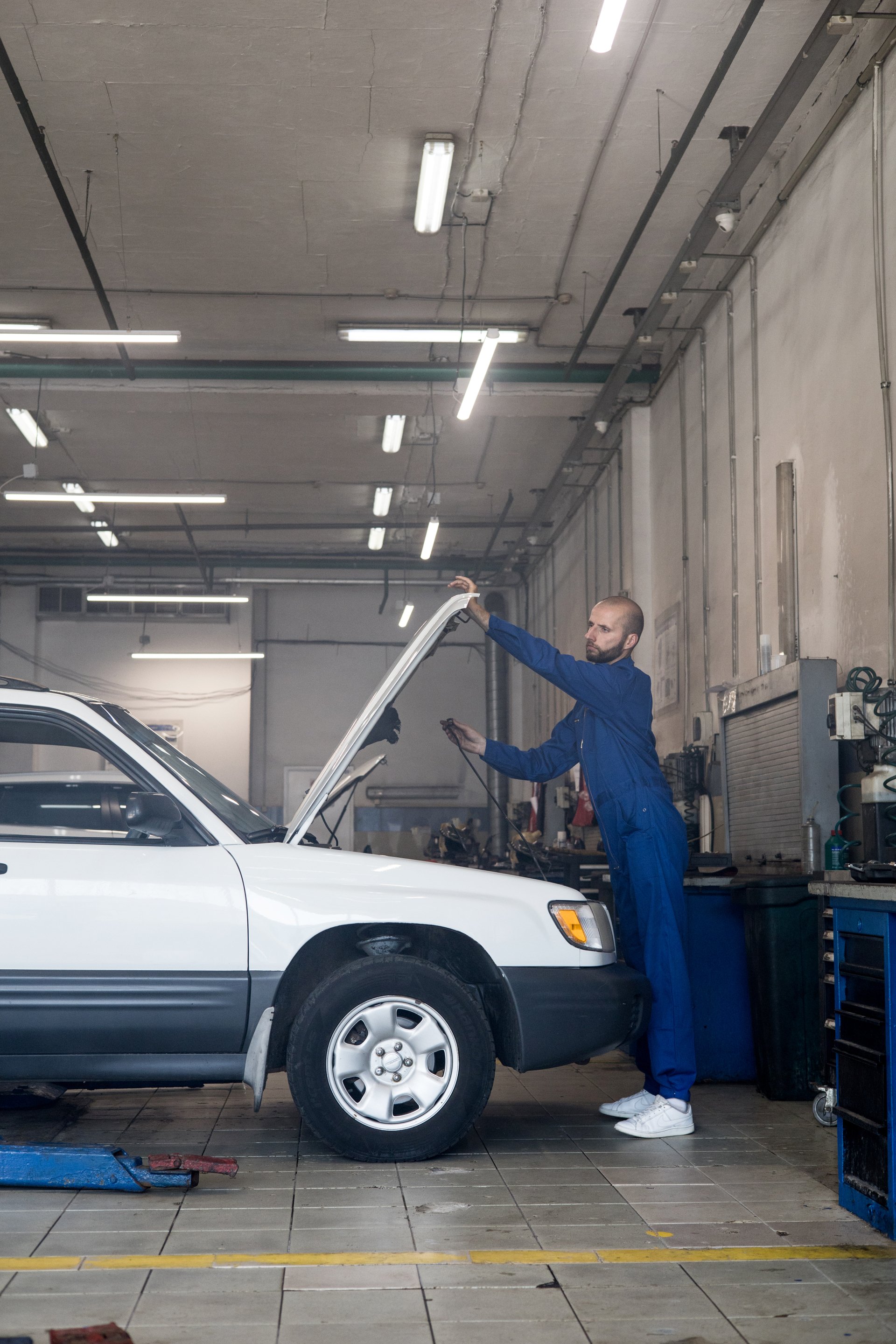
Clear Vision Mobile Detailing and Ceramic Coatings follows a stepwise approach when a hood or roof acts stubborn. First, we eliminate variables. Fresh microfiber, distilled water for tests, and shade. Second, we clean mechanically and chemically as gently as possible. If a section wakes up hydrophobically, we compare to adjacent areas to map the problem. Third, we adjust the stack, not just the top. Sometimes it is better to replace a tired topper cycle with a clean base and fewer products. And if the car carries ppf, we verify the film’s top coat is intact before adding more chemistry. A simple, consistent stack gives the longest, most predictable hydrophobic life.
Where auto detailing fits across the region
Different towns bring different habits. In auto detailing Palmetto, boats and trailers add salt spray to the mix, and we see more need for quick freshwater rinses after a drive. Auto detailing Venice often means beach parking and afternoon showers, which can help rather than hurt if the coating sheets well. Auto detailing North Port leans suburban, with more driveway washes and less covered parking. Auto detailing Sarasota and auto detailing North Sarasota trend toward street parking and construction dust. Across all of them, the fundamentals stay the same: prep the surface thoroughly, choose chemistry that suits the climate and the owner’s washing style, and maintain gently but regularly so the hydrophobics can do their job.
A short upkeep plan that preserves hydrophobics
- Wash once a week or after heavy rain with a pH neutral shampoo and clean mitts. Rinse panels before contact to let the coating sheet and carry away loose dust. Dry with forced air or a soft towel; avoid rubbing when water is already beading tightly. Decon quarterly with a mild iron remover and a gentle cleanser to recover slickness. Use a topper sparingly after decon or ahead of a tough weather stretch, not every wash.
Final thoughts from the bay to the ranch
Hydrophobic performance is not a party trick, it is a workload reducer. The less water clings, the less dirt it leaves, and the less you need to touch the paint. In our weather, that adds up over months to fewer wash marks and a finish that looks corrected for longer. The chemistry matters. The prep matters more. And the way you wash either honors or erases both.
Ceramic coatings, paint protection film, and dialed‑in maintenance live on the same team. Get the balance right and a Lakewood Ranch thunderstorm becomes a free rinse, not a future stain. Keep the system simple, watch how water behaves rather than how it photographs, and you will know exactly when to adjust. That is the kind of clarity that pays you back, every time you pull the hose from the spigot and watch the panels clear themselves.